
Published 2024-10-16
In Washington state, "clean soil" is defined under Washington Administrative Code (WAC) 173-350-100 as uncontaminated soil that is free from hazardous substances, dangerous waste, or other contaminants that could pose risks to human health or the environment. This definition is crucial in regulating materials used for reclamation activities, such as filling or reshaping landforms, as it ensures that only safe, non-polluted soils are used in such processes.
The full definition of "clean soil" can be found within WAC 173-350-100, part of the broader Washington State solid waste regulations. This regulation governs standards for handling, disposal, and use of materials like soil to prevent environmental harm. "Clean soil" must meet specific criteria for not containing harmful levels of substances that could degrade water quality, air quality, or contribute to hazardous waste.
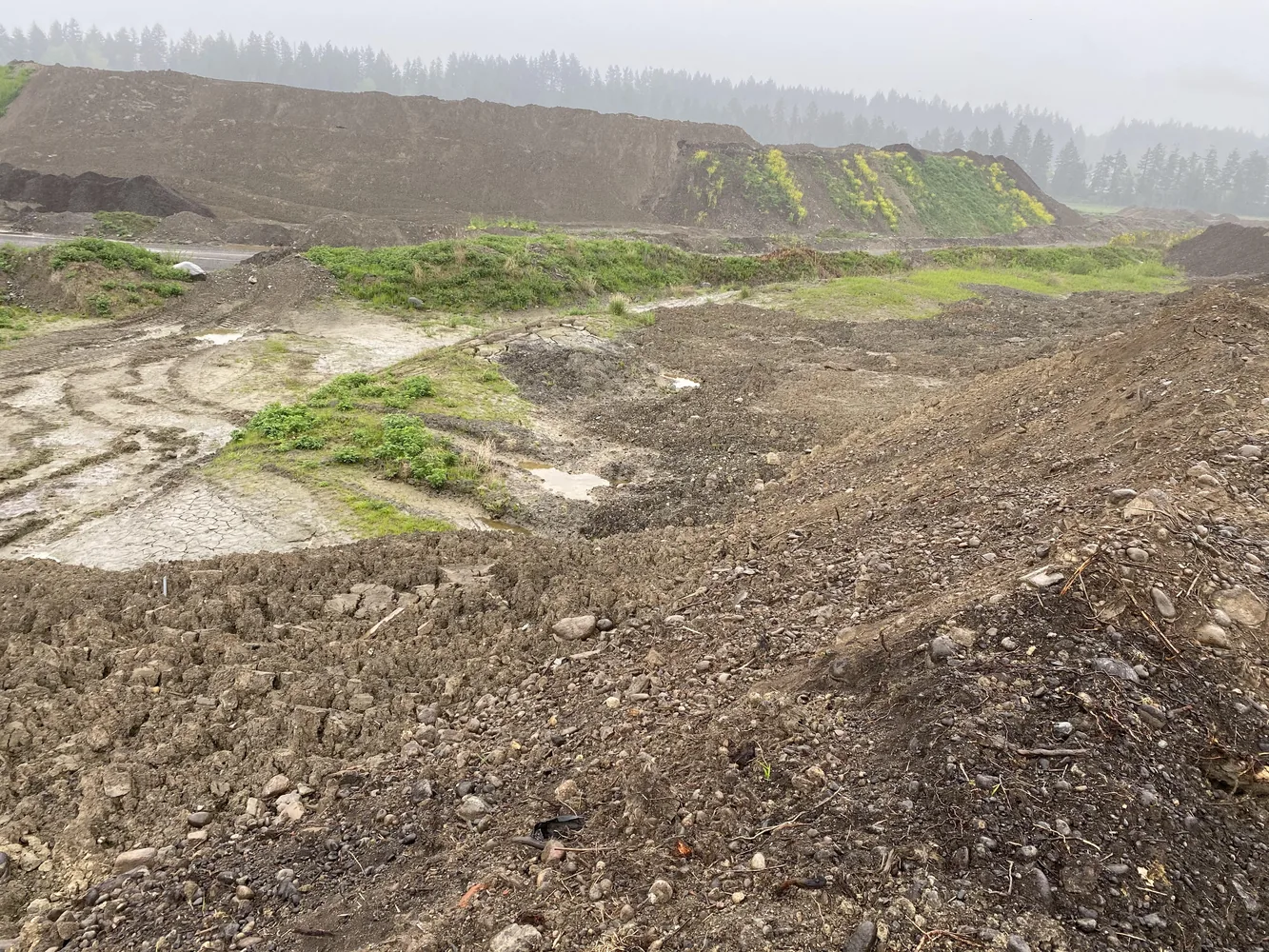
For a gravel pit accepting soil from various sources for reclamation purposes, understanding and adhering to the definition of "clean soil" is essential. Accepting contaminated soil could lead to environmental liabilities, regulatory fines, and reputational damage. Gravel pit operators must verify the source of the soil and ensure that it complies with the clean soil standards before using it for reclamation, avoiding potentially hazardous impacts on the site.
In practice, this means gravel pits must have protocols for testing incoming soil, ensuring that it meets the WAC 173-350-100 requirements. This is crucial in maintaining compliance with environmental regulations and avoiding the introduction of contaminated material that could harm surrounding ecosystems or future land uses. If you need help with developing policies and processes give us a call.
How Geographic Solutions can help
Geographic Solutions supports aggregate operators, landowners, contractors, and investors with permitting, mapping, reserve modeling, market studies, valuation, and due diligence for pits and quarries in Washington and Oregon.